
Is Your Home Ready? Tips for Seniors on Aging in Place Safely
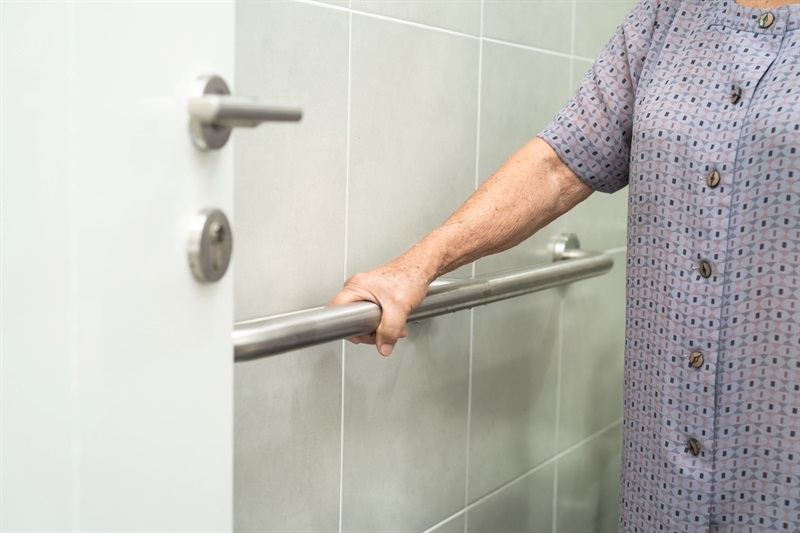
Most older adults want to remain in the home they love for as long as possible. But wanting to age in place and being prepared to do so are two very different things. The decisions you make today, well before any health crisis arrives, will shape your independence, safety, and quality of life for years to come.
Aging in place means choosing to remain in your own home as you grow older rather than transitioning to an assisted living facility or retirement community. It typically requires intentional home modifications to support mobility, daily function, and fall prevention. Planning these changes proactively gives you more control and almost always costs less than reacting after an emergency.
Key Takeaways
- Evaluate your home's layout now, before a health event forces a rushed decision.
- Focus on entry access, stairs, bathroom safety, and laundry location.
- If you are part of a couple, ask whether the surviving spouse could manage the home alone.
- Early modifications are almost always less expensive than emergency renovations.
- Reviewing your appliance and systems coverage now can prevent costly surprises later.
Should You Stay or Downsize?
One of the most important senior home safety questions is whether to renovate your current home or downsize to something more manageable. If you are part of a couple, honestly ask: if one partner passes away, could the other realistically manage the property's maintenance, finances, and physical demands alone? That question deserves a clear answer long before a health crisis, such as a stroke or a fall, forces the issue.
A single-story home with a level entry and accessible bathroom is far easier to adapt than a multi-level house with a basement laundry room and narrow hallways. If major structural changes would be required to make your current home safe, downsizing to a more accessible property may be the smarter long-term investment.
Critical Areas to Assess in Your Home
Before committing to aging in place, walk through your home and evaluate each of the following:
- Exterior entry: At least one step-free entry point is essential. Exterior stairs without a ramp or sturdy railing are a leading fall risk.
- Interior stairs: A two-story layout creates real daily challenges if mobility declines. Confirm whether a first-floor bedroom and full bathroom are available or could be added.
- Bathroom: A walk-in shower removes the hazard of stepping over a tub edge. Doorways should measure at least 32 to 36 inches wide to accommodate a walker or wheelchair.
- Laundry access: A washer and dryer on the main floor is a practical necessity. Basement laundry becomes exhausting and dangerous when mobility is limited.
- Lighting and flooring: Poor lighting and loose rugs are among the most common contributors to falls in the home.
Home Modification Planner
|
Area |
Common Risk |
Recommended Fix |
|
Front entry |
Steps with no railing |
Add ramp or grab rail |
|
Interior stairs |
No first-floor alternative |
Install stairlift or create main-floor bedroom |
|
Bathroom |
Tub-only bathing |
Install walk-in shower |
|
Bathroom door |
Standard 28-inch width |
Widen to 32 to 36 inches |
|
Laundry |
Basement location |
Relocate to main floor |
|
Hallways and floors |
Dim lighting, loose rugs |
Add nightlights, secure or remove rugs |
Aging-in-Place Safety Checklist
- Schedule a home assessment with a Certified Aging-in-Place Specialist (CAPS).
- Install grab bars in the shower, beside the toilet, and along all stairways.
- Replace round doorknobs with lever-style handles throughout the home.
- Add non-slip strips to wet areas and uncarpeted stairs.
- Review your appliance and home systems coverage. If major appliances are aging,this may be a good fit for added financial peace of mind.
- Build a financial plan that accounts for one person managing all household costs alone.
- Discuss your plan with your doctor, family members, and a financial advisor.
Frequently Asked Questions
What is the biggest safety risk for seniors aging in place? Falls are the leading cause of injury among adults 65 and older. Most occur in the bathroom or on stairs, making those two areas the highest priority in any accessible home design plan.
When should seniors start planning for aging in place? The best time is before you need to. Planning in your 60s allows you to make decisions calmly and cost-effectively, rather than scrambling after a fall or medical event. Waiting for a crisis almost always leads to rushed, expensive choices.
Can I age in place in a two-story home? Yes, with careful planning. At minimum, you will need a bedroom, full bathroom, kitchen, and laundry all on the main floor. If that is not currently possible, weigh the renovation cost against downsizing to a single-story home.
What should couples consider when planning to age in place? Each partner should honestly assess whether the surviving spouse could manage the home's finances and physical upkeep alone. If the honest answer is no, making changes or downsizing now, while both can participate, is far better than deciding during a crisis.
A Final Word
Aging in place successfully is less about luck and more about preparation. Seniors who maintain their independence longest are those who assessed their homes early, made smart modifications before a health event, and planned honestly for every scenario, including life as a single-person household. Taking even one step this week, whether that is scheduling a home walkthrough or reviewing your coverage options, puts you significantly ahead of where most people start.